


The Invisible Weight: Care, Work, and the Reality of Migrant Women

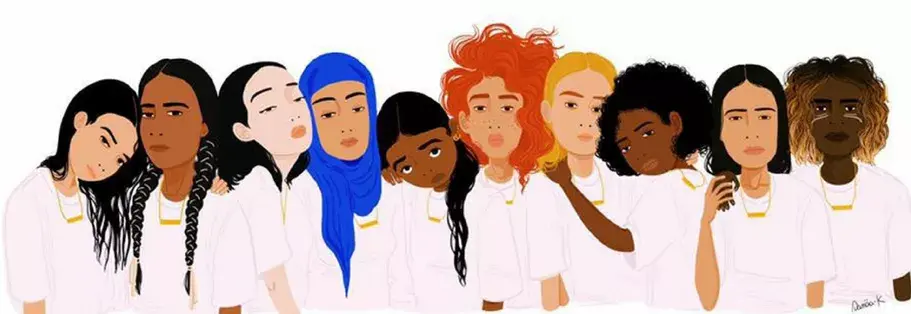
“The challenge is not only to give, but to give in ways that allow room to gain.”
For many, migration is not only about personal opportunity, but about sustaining others.
Care takes different forms. Some raise children without the support systems they once
relied on or that they grow up having. Others support parents, siblings, nieces, or extended
family members from a distance. Some navigate the emotional weight of having children
back home while working abroad to provide for them. Even for those without children, the
expectation of care often remains expressed through financial, emotional, or social
responsibility.
In many cultures, caregiving is shared. Extended family and community networks make daily
life more manageable. Migration changes this reality. What was once collective becomes
individual. Responsibilities that were once distributed are now carried by one person or a
small household.
Within this context, work is often shaped by responsibility. Many migrant women take up
roles that are accessible, flexible, or immediately available. These “survival jobs” may not
reflect their qualifications or long-term aspirations, but they provide stability where it is
urgently needed.
Over time, this balancing act can influence career progression. Limited time for upskilling,
reduced access to professional networks, and the constant negotiation between work and
caregiving can slow down advancement. Structural barriers such as bias, occupational
segregation, and limited recognition of prior qualifications can further narrow opportunities.
The result is not a lack of ambition, but a reality shaped by layered responsibilities.
At the same time, these experiences reflect resilience that often goes unrecognised. Migrant
women adapt, rebuild, and sustain families across borders while navigating new systems
and expectations.
Yet as we reflect on these realities, especially in the context of International Women’s Day,
there is also a need to shift the conversation.
Women have always been contributing of their time, energy, care, and resources. Migrant
women, in particular, often carry this responsibility across multiple spaces at once. But this
level of commitment should not come at the cost of depletion.
There is a need to give with consciousness to offer support in ways that are sustainable, that
recognise personal limits, and that make space for growth. Extending care to others must
also include care for oneself.
To sustain others effectively, it is important to recognise that receiving is also part of the
process. When women are able to give and receive in balance, they are better positioned to
grow not just endure.
Migration is often framed as a journey of sacrifice and resilience. For many women, it is also
a journey of continuous contribution. The challenge, then, is not only to give, but to give in
ways that allow room to gain.
Because when support for others is balanced with personal growth, women can continue to
uplift those around them without losing themselves in the process.
About the Author
Racheal Ikulagba writes as a community-led impact project manager focused on capacity
building, leadership, and sustainable change within migrant and diaspora communities.



Comments