


Delivery workers at breaking point in France : an unexpected complaint rocks the platforms

Series : The Root Causes of Migration
In a context of growing precarity among platform workers in France, several delivery rider-support-associations have decided to take legal action. They denounce a system which, in their view, exploits a vulnerable workforce, largely made up of immigrants, within a legal vacuum that has persisted for a decade.
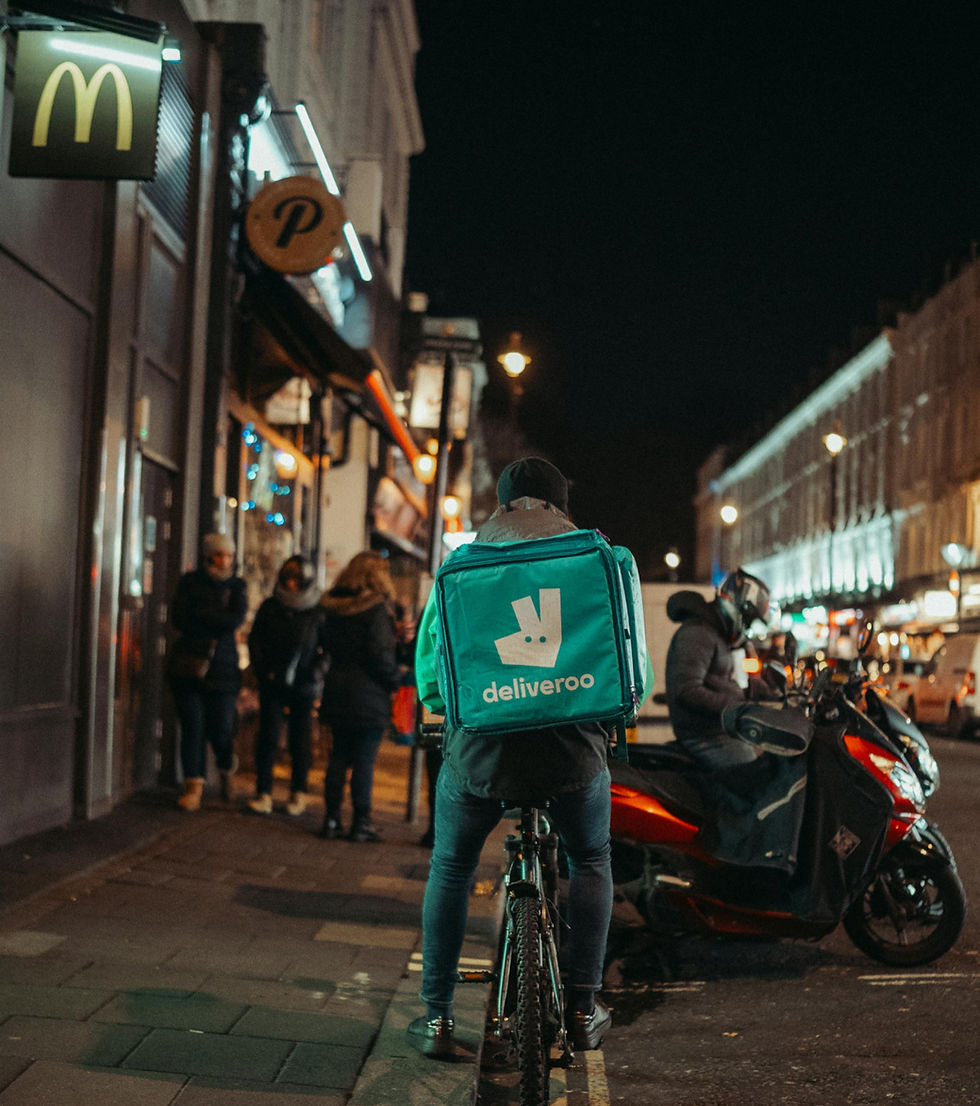
On April 22, these four associations including the Maison des Livreurs, the Maison des Couriers, AMAL and Ciel, filed a criminal complaint in Paris against Deliveroo and Uber Eats for “human trafficking,” an unprecedented move in France. They accuse these platforms of basing their business model on extremely harsh working conditions, with no social protection and very low pay.
According to the report of InfoMigrants, delivery workers themselves describe alarming working conditions: “Right now, we work without any insurance or protection. The platforms don't take our health into account. In case of injury or accident, we're left to fend for ourselves,” said Bilal Diakhate, who has worked as a delivery driver for nearly ten years.
“They push us to work on days with bad weather and rain, when it's even more dangerous, but because people order more. In January, when it snowed and the roads were impassable, they increased the price of deliveries to encourage us to work.”
Moreover, according to the testimonies collected, delivery riders, often foreign nationals and sometimes undocumented, work on average more than 60 hours per week for modest incomes. Paid per delivery, some travel up to 20 km for just €3. Many are also forced to rent accounts from other workers, which further reduces their earnings and exposes them to pressure or threats.
Working conditions are described as dangerous and degrading : lack of insurance in case of accidents, frequent assaults, and significant impacts on both physical and mental health. The algorithms used to assign deliveries are also criticized for their opacity and the inequalities they create.
In response to these accusations, Uber Eats and Deliveroo deny all responsibility and strongly contest the claims. However, the associations hope this legal action will lead to changes in legislation, considered nonexistent or insufficient for the past ten years, and impose better working conditions.
The full report can be found here :



Comments